Source Chemical Resistant Venturi Pump for Chemical, Power, and Chlor Alkali
Find 30 chemical resistant venturi pump options for chemical process, power industry, and chlor alkali applications. Compare horizontal split, single-stage, and multistage models with materials like 304, 316L, and 2205 stainless steel. Evaluate capacities over 400 L/min and operating temperatures up to 250°C to select the right pump for your specific industrial needs.
Key considerations
Products List


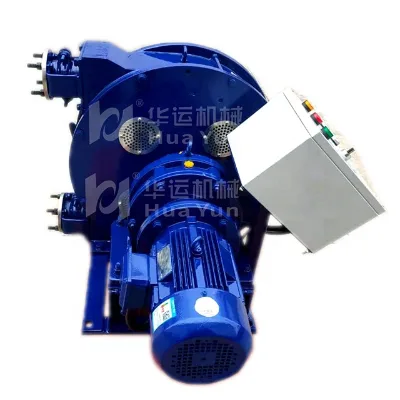


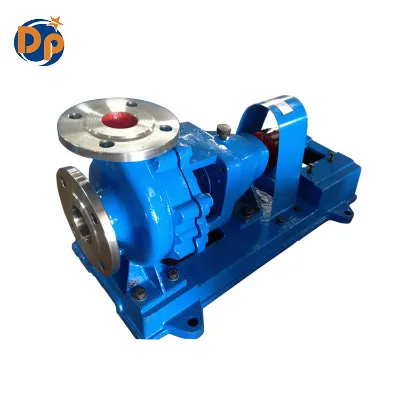


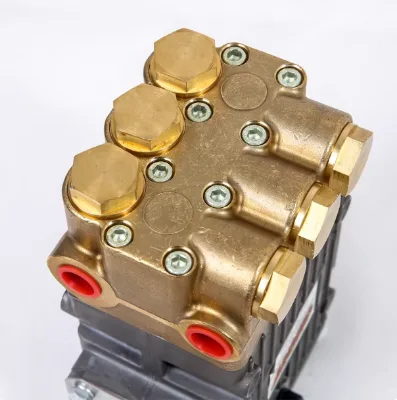

Comprehensive Sourcing Guide
Chemical Resistant Venturi Pump Sourcing Guide
Procuring chemical resistant venturi pumps requires a nuanced understanding of fluid dynamics and material compatibility, particularly when handling aggressive media in industrial settings. These devices leverage the Venturi effect to create vacuum or suction, making them indispensable in applications ranging from chemical processing to wastewater treatment. Buyers must prioritize pumps that maintain structural integrity under corrosive conditions while delivering consistent performance. The selection process involves evaluating the specific chemical properties of the fluid, including pH levels, temperature ranges, and particulate content, to ensure the pump materials can withstand long-term exposure without degradation.
The market offers a variety of configurations, including horizontal split pumps and single-stage centrifugal designs, each suited to different operational demands. Understanding the distinction between these types is crucial for aligning equipment with process requirements. For instance, horizontal split pumps often facilitate easier maintenance and inspection, which is vital for continuous operations. Meanwhile, single-stage designs may offer simpler mechanics and lower initial costs for less demanding applications. Buyers should also consider the driving type, such as motor-driven systems, and the mounting height, which affects installation complexity and space utilization in tight industrial environments.
Product Scope and Observed Listing Signals
The current market landscape for chemical resistant venturi pumps reveals a diverse array of product listings, with prices ranging significantly from approximately $6.40 to $50,000 USD. This wide variance reflects differences in capacity, material grade, and manufacturing complexity. Minimum order quantities (MOQs) typically span from one unit to 500, indicating flexibility for both pilot projects and large-scale industrial deployments. Buyers should note that lower-priced items may correspond to basic models or smaller capacities, while higher-end listings likely feature advanced materials like 316L stainless steel or specialized alloys such as 2205 and 2507 duplex stainless steel.
Observed specifications highlight key attributes such as operating temperatures ranging from -40°C to 175°C or even up to 250°C for certain models. These thermal limits are critical for processes involving heated chemicals or cryogenic fluids. Additionally, the presence of certifications like CE and adherence to standards such as ASME/ANSI and DIN/JIS provides a baseline for quality assurance. Buyers should verify that the listed models, such as the IJ or HBE series, match their specific pressure and flow requirements, as these designations often correlate with distinct performance profiles and application suitability.
Technical Specifications to Verify
When evaluating technical specifications, buyers must focus on the pump’s ability to handle the intended influent type and working pressure. Single suction pumps are common for general applications, but multistage designs may be necessary for higher head requirements, such as those reaching ~150m. The impeller type, whether closed or open, significantly impacts efficiency and resistance to clogging, especially when handling slurries or fluids with suspended solids. It is essential to confirm that the impeller material aligns with the chemical resistance requirements of the process fluid to prevent premature wear or failure.
Sealing mechanisms are another critical technical aspect, with options including packing seals and mechanical seals. Mechanical seals generally offer better leakage prevention and are preferred for hazardous or volatile chemicals. Buyers should also verify the pump’s capacity, ensuring it exceeds the required flow rate, often noted as >400 L/min for larger industrial units. The working conditions, such as wet environments, necessitate robust construction to prevent corrosion and ensure longevity. Additionally, the permissible altitude of up to 1000m above sea level should be considered for installations at higher elevations, as this can affect pump performance and cavitation risk.
Compliance and Safety Documentation
Compliance with international standards is non-negotiable for chemical resistant venturi pumps, particularly in regulated industries like petrochemicals and pharmaceuticals. Buyers must ensure that suppliers provide documentation confirming adherence to relevant standards, such as ASME/ANSI for pressure vessel integrity and DIN/JIS for flange compatibility. These standards ensure that the pump can safely withstand operating pressures, typically around 1.6MPa, and maintain structural integrity under stress. Verification of these certifications helps mitigate risks associated with equipment failure, which can lead to costly downtime and safety hazards.
Safety documentation should also include detailed information on the pump’s operating temperature range and material compatibility. For applications involving extreme temperatures, from -40°C to 250°C, buyers must confirm that the selected materials, such as 304L or 316L stainless steel, retain their mechanical properties. Additionally, certifications like CE indicate compliance with European health, safety, and environmental protection standards. Buyers should request test reports or material certificates to validate the supplier’s claims, ensuring that the pump meets all regulatory requirements for the intended application and geographic market.
Cost Drivers and Commercial Terms
Several factors influence the total cost of ownership for chemical resistant venturi pumps, including material selection, manufacturing complexity, and customization options. High-grade alloys like Ta2 or Tc4 titanium significantly increase initial costs but offer superior corrosion resistance, potentially reducing long-term maintenance expenses. Buyers should evaluate the trade-off between upfront investment and lifecycle costs, considering the frequency of part replacements and downtime. Customization availability allows for tailored solutions, but it may also introduce additional costs and longer lead times, which should be factored into the procurement budget.
Commercial terms, such as packaging and shipping, also impact overall costs. Wooden cases or plywood boxes are commonly used for protection during transit, but buyers should verify that packaging meets international shipping standards to prevent damage. Lead times can vary based on order volume and customization requirements, with MOQs ranging from one to 500 units. Buyers should negotiate clear terms regarding delivery schedules, payment conditions, and warranty coverage to ensure a smooth procurement process. Understanding these cost drivers helps in making informed decisions that balance performance, durability, and budget constraints.
Supplier Qualification and Quality Control
Supplier qualification is a critical step in ensuring the reliability and quality of chemical resistant venturi pumps. Buyers should assess suppliers based on their manufacturing capabilities, quality control processes, and track record in the industry. Suppliers with certifications like CE and adherence to standards such as GB5656 demonstrate a commitment to quality and regulatory compliance. It is essential to verify that the supplier has experience in producing pumps for similar applications, particularly in chemical processing or power industries, where performance and safety are paramount.
Quality control measures should include rigorous testing of materials and finished products to ensure they meet specified standards. Buyers should request documentation of these tests, including material composition analysis and pressure testing results. Additionally, suppliers should provide clear information on their production origins, such as Jiangsu, China, and their ability to meet specific delivery requirements. Establishing a strong relationship with a qualified supplier ensures consistent product quality and reliable after-sales support, which is crucial for maintaining operational efficiency and minimizing risks associated with equipment failure.
Long-Term Procurement Checks
Long-term procurement success depends on establishing robust checks and balances for ongoing supplier performance and product reliability. Buyers should implement regular audits of supplier quality control processes and review performance metrics such as defect rates and delivery consistency. Monitoring these metrics helps identify potential issues early and ensures that the supplier continues to meet contractual obligations. Additionally, buyers should maintain open communication with suppliers to address any emerging challenges or changes in regulatory requirements that may impact product specifications.
Regular review of pump performance in the field is also essential for long-term procurement checks. Buyers should track key performance indicators such as energy efficiency, maintenance frequency, and overall lifespan to assess the value of the investment. Feedback from operational teams can provide valuable insights into any issues or improvements needed. By maintaining a proactive approach to supplier management and product evaluation, buyers can ensure that their chemical resistant venturi pumps continue to meet operational needs and deliver consistent performance over time.
FAQs
What materials are used for chemical resistant venturi pumps?
These pumps are constructed from stainless steel grades including 304, 316, and duplex alloys like 2205. The material selection ensures resistance against corrosive chemicals found in industrial processes while maintaining structural integrity under varying operating temperatures.
How is the pump shaft positioned in these units?
The pump shaft is positioned horizontally to facilitate efficient operation and maintenance. This horizontal configuration supports the suction centrifugal design, allowing for stable performance in chemical process applications requiring reliable fluid handling capabilities.
Which certifications do these pumps typically hold?
Manufacturers often provide CE certification to ensure compliance with safety and quality standards. Additionally, the products adhere to ASME/ANSI and DIN standards, guaranteeing that the flange connections and overall construction meet rigorous international engineering requirements.
Can these pumps handle high vacuum conditions?
Yes, specific models are designed to achieve high vacuum degrees suitable for demanding industrial tasks. They function effectively as mainsuction pumps, utilizing positive displacement methods to maintain the necessary vacuum levels for various chemical processing applications.
What is the maximum capacity of these pumps?
The maximum capacity exceeds 400 liters per minute, supporting high-volume fluid transfer needs. This capacity makes them suitable for large-scale operations in the chemical, power, and petrochemical industries where consistent flow rates are critical for process efficiency.
How are these pumps packaged for shipping?
Units are securely packed in wooden cases or plywood boxes to prevent damage during transit. This robust packaging ensures that the pumps arrive in perfect condition, ready for immediate installation and operation at the customer's facility.